

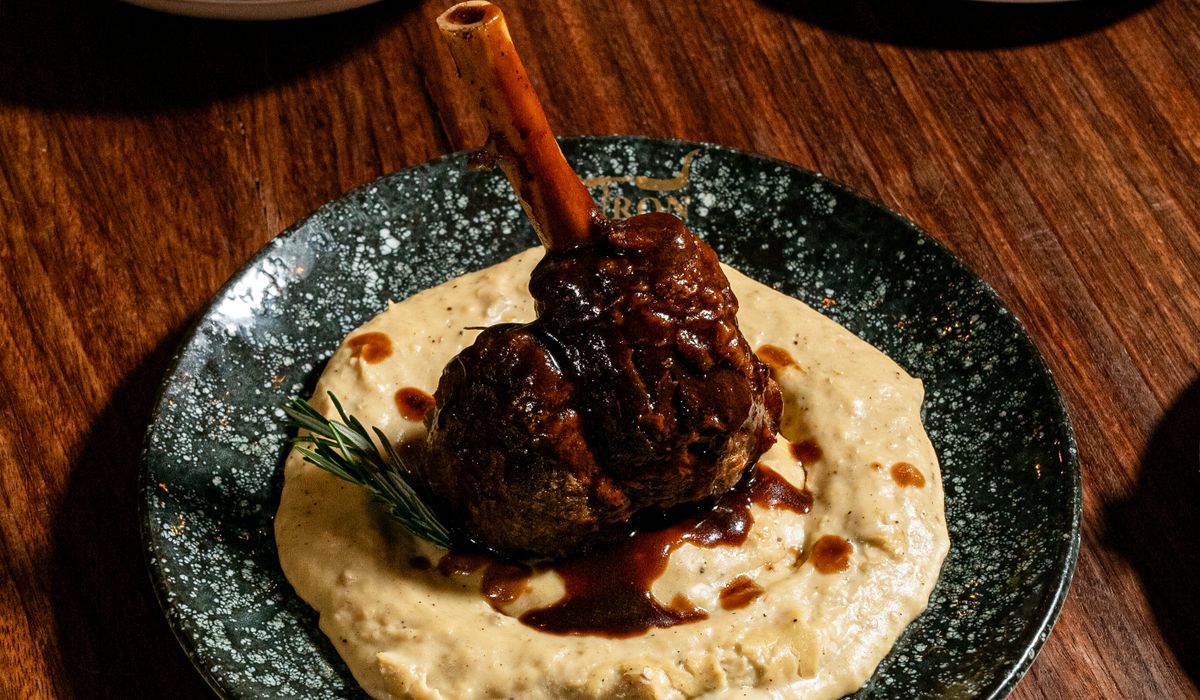
Why Pork Shoulder Rewards Patience
Pork shoulder is the great leveller of home cookery. It is inexpensive, forgiving, and almost impossible to ruin if you are willing to give it time. Ask your butcher for shoulder and you may be offered blade, spare rib, or hand and spring — all are the same hard-working muscle group from the front leg, threaded with fat and connective tissue that melts into gelatine when cooked gently.
That transformation is the whole point. Cooked fast, shoulder is chewy and disappointing. Cooked low and slow, it collapses into glossy, spoonable shreds that hold their shape just long enough to be piled into a bun. The magic window sits between 90°C and 95°C internally, when the collagen has given up and the fibres part at the lightest touch of a fork.
Choosing Your Joint
Size matters less than shape and fat cover. A 2–3kg joint feeds six to eight generously, with leftovers for the days after. Look for an even layer of fat on top and good marbling throughout — this is what keeps the meat moist over a long cook.
- Bone-in gives better flavour and a natural temperature buffer; it also takes slightly longer. A bone-in joint is worth the extra thirty minutes.
- Boneless is easier to carve and to fit in a slow cooker, but tie it firmly so it holds its shape.
- Rind on means crackling later, provided you do not let it steam. Rind off is simpler if you plan to sauce the meat heavily.
- Ask your butcher to score the rind at 1cm intervals and to leave a decent fat cap. They will often do this at no charge.
The Rub and the Overnight Rest
Salt is the only non-negotiable. A dry brine of one teaspoon of fine salt per 500g, rubbed into all sides, then left uncovered in the fridge for twelve to twenty-four hours, seasons the meat deeply and dries the surface for better crackling. The uncovered rest is important — damp rind will never crisp.
Build a rub around that salt: a tablespoon of soft brown sugar, two teaspoons of smoked paprika, a teaspoon each of mustard powder and cracked black pepper, and half a teaspoon of fennel seed, crushed. Skip salt in the rub if you have already dry-brined. Pat the mixture on, working it into the score lines. If you are short of time, salt it in the morning and cook in the evening — it will still be very good.
Low and Slow: Times and Temperatures
Set the oven to 140°C fan, 160°C conventional, gas mark 3. Sit the joint on a rack inside a roasting tin, rind side up, and add a centimetre of water, cider, or stock to the base. The liquid keeps the drippings from burning and gives you the beginnings of a sauce.
- 2kg boneless: 6–7 hours
- 2.5–3kg bone-in: 7–8 hours
- Slow cooker: 8–10 hours on low, with only 100ml of liquid — it generates its own.
Expect a stall. Somewhere around 70°C the internal temperature will sit stubbornly still for an hour or more as moisture evaporates from the surface. Do not panic and do not turn the oven up. If the meat looks dry at any stage, tent it loosely with foil; if the rind needs crisping, uncover it for the final thirty minutes and raise the heat to 200°C fan.
Reading the Meat, Not the Clock
Timings are guidance, not law. Every joint behaves differently, so buy an instant-read thermometer and trust it. You are looking for 92–95°C in the thickest part, away from the bone.
Then do the probe test. Slide a thin skewer or the thermometer probe into the meat: it should go in with almost no resistance, like pushing into soft butter. If there is any tug, give it another thirty minutes and check again. A bone-in joint is ready when the bone feels loose in its socket and will twist with gentle pressure.
Rest the joint for at least thirty minutes, loosely covered in foil and a tea towel. This lets the juices redistribute so they end up on the plate rather than in the tin. If you have cooked it rind-on, lift the crackling off while the meat is still warm, scrape away any soft fat, and return the skin to a hot oven for ten minutes until it blisters.
Pulling and Serving
Two forks is the traditional method, but clean hands are quicker. Pull the meat apart into rough shreds, discarding any large pockets of unrendered fat. Moisten with a few spoonfuls of the defatted pan juices, or a splash of cider vinegar and a spoon of your favourite barbecue sauce.
From there, the meat is endlessly useful:
- Buns: soft white rolls, shredded cabbage slaw, a sharp pickle and crackling shards on top.
- Tacos: warm corn tortillas with red onion, coriander, lime and a smoky chipotle cream.
- Salads: tossed warm through bitter leaves with roasted peppers and a mustard vinaigrette.
- Ragu: simmer the shreds for twenty minutes with passata, garlic, rosemary and a glass of red wine, then tumble through pappardelle with plenty of Parmesan.
Leftovers keep for three days in the fridge and freeze beautifully in their juices. The one rule is not to let the meat dry out on reheating — a splash of stock in a covered pan is all it needs. Buy a bigger joint than you think you need. You will be glad of it.





John Doe
14 January, 2022Having no content in post should have adverse..
Chauffina Carr
10 April, 2022We use these tests all time! Killer stuff!
Jim Séchen
16 July, 2022Thanks for all the comments, everyone!